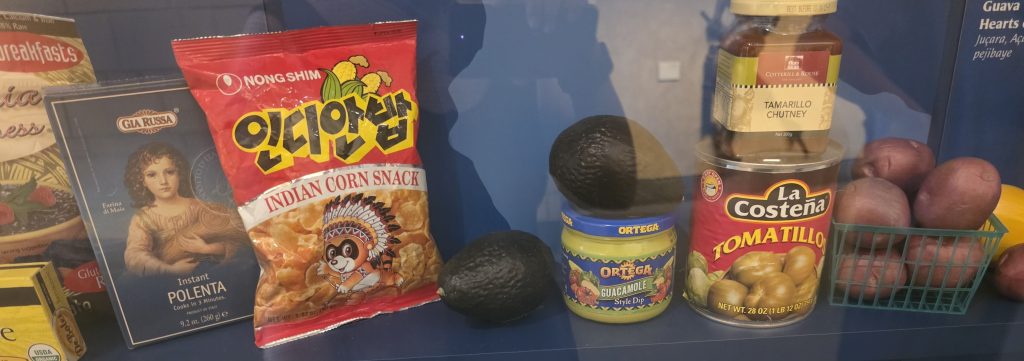
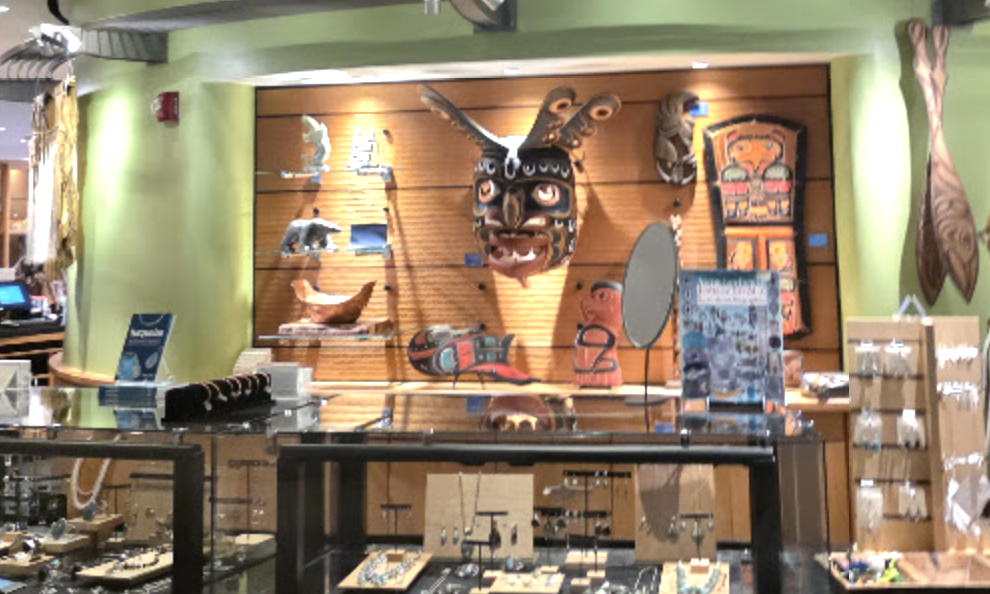
In the past month, I got a chance to visit the National Museum of the American Indian in the USA. Normally, I would follow the intended flow from the bottom up, in line with the infrastructure design, but this time I was urged to reverse the direction due to the rush toward closing time. Quite interesting, huh, since this reversed direction implied a common knowledge among USA national museums that the most important objects are at the top, almost unreachable for the time being, rather than on the bottom floors. The placement of organized objects reflected an orientalist infrastructure of public knowledge on this matter. It’s made convincing through a designerly angle to accessibility as users walk through the museum’s physical infrastructure. I wondered whether my knowledge of orientalist design would differ if going from bottom up as orientated, instead of:
- from the fourth floor (visual arts by Indigenous artists),
- through the third floor (Indigenous cultures appropriated by USA commercial designs),
- the second floor (the souvenir shop of mimicked Indigenous objects),
- and lastly, the first floor, where exterior and interior designs portray Indigeneous cultures in alignment with natural creations.
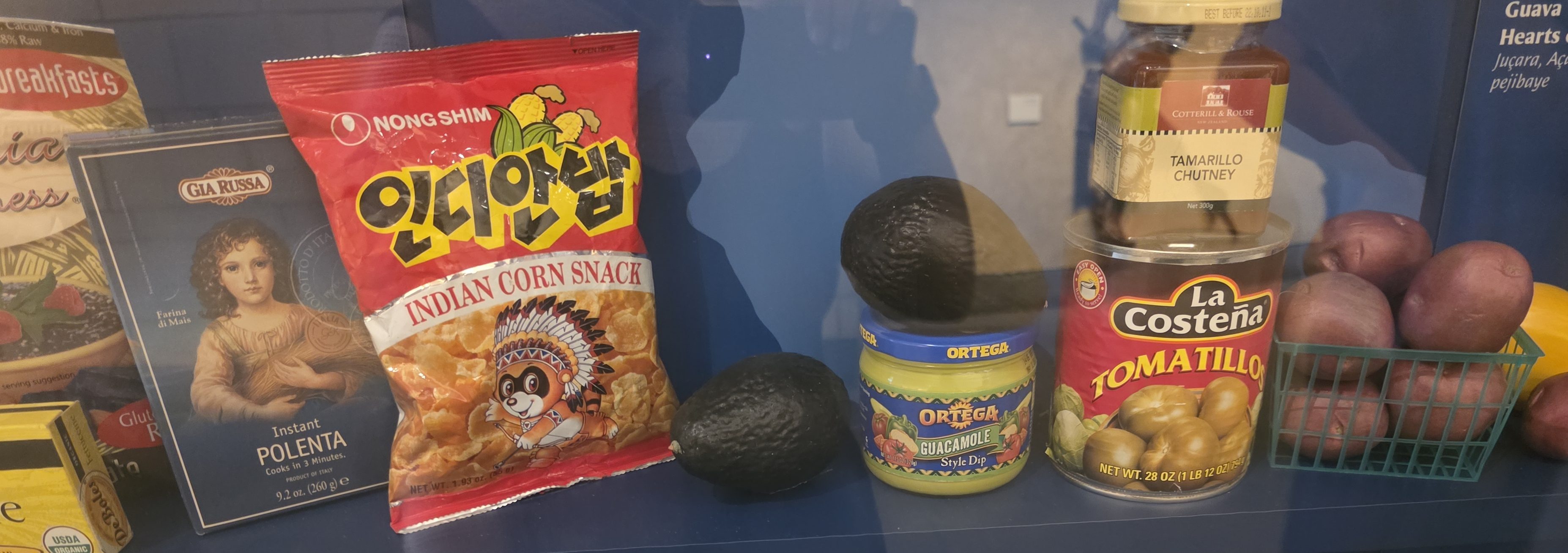
The display of food became a living object that bounced and reflected the snacks that I habitually and obsessively crunched while cramming for creative projects. The food I habitually picked up from the superstore for its pretty packaging and exotic, trendy appeal was researched in a lab by a group of people with tech-based, merit-based access to market research, audience profiling, and product mimicking. A bird’s-eye view that abides by the top-down viewpoint to speculate and pursue the profitability of consumable cultures: from the manufactured smell, fresh sounds of the texture when the consumer’s teeth crunch through, and admiring the open scenes of the culture, to the dust on the consumer’s fingers when the last bite is gone. All to leave the consumers with a lasting desire for the “non-replicable” flavors of the oriental(ist) object. Desire seems to be an innocent human drive, and thus the response to such desire is also a grace-charged design and manufacturing process.
Oriental(ist) objects are normalized through everyday life as the consumers are bored with the reduced world that they live in, yearning for something new made from another world. Why not? As traveling to the other worlds is always advertised as the feeling of freedom, the freedom of exerting oneself in the unknown spaces, even if that means learning new cultures as a baby again and freely expressing the innocence of a reborn person, to eventually becoming a colonialist. If viewing the orientation towards the other worlds made oriental, then the oriental(ist) objects become a technology of observing oriented towards surveilling, consuming oriented towards producing, and baby steps oriented towards the self-made man. Oriental(ist) objects becomes a manifested existence of the other world in these object consumers, as if the orientalist consumers’ bodies are containers of many worlds that the commercial products represent, reservoirs that soothe the heat of long-lasting violence, a pride that has been traded (un)fairly by many generations of regrets. In a way, oriental(ist) objects are justified by the joy of orientalists through constant design and consumption across worlds.
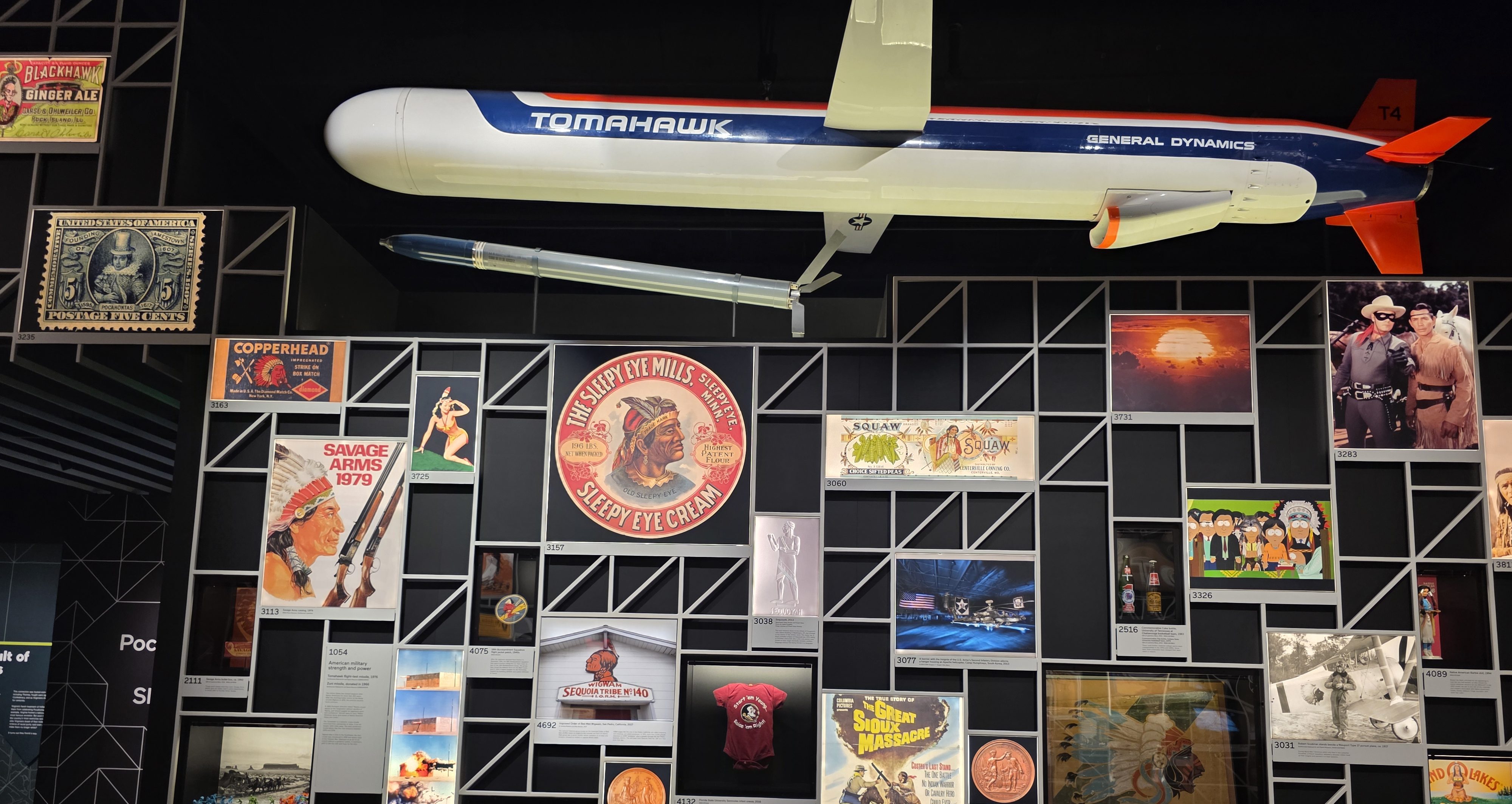
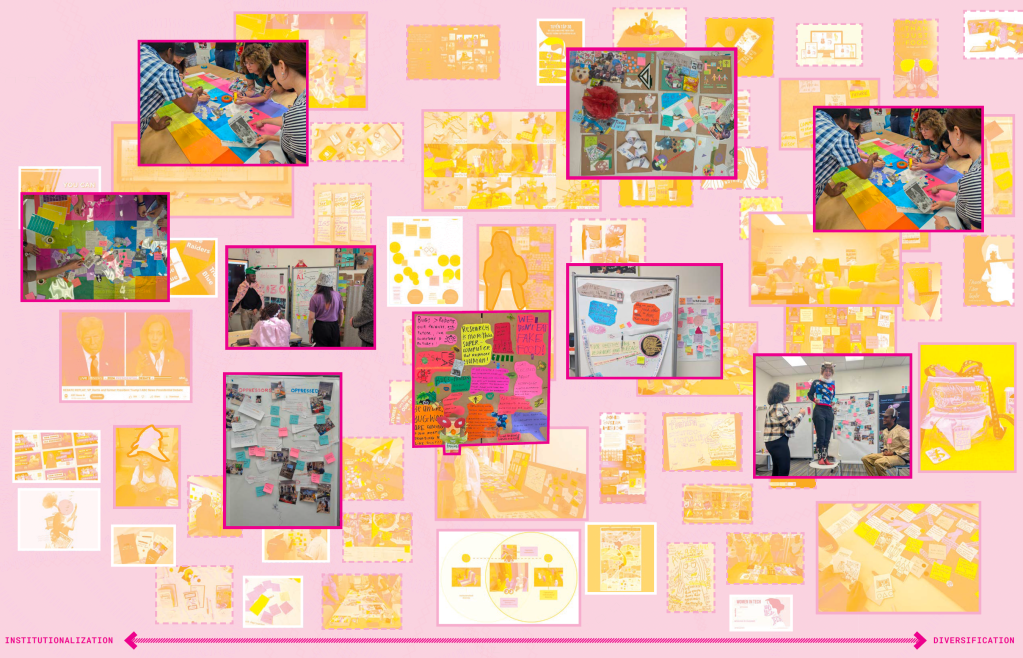
Here, I realized the contradictions of institutional(ized) diversity surfacing through the organized display of objects. Two years ago, in the last year of my MFA degree, these contradictions remained vague despite how much I pulled at my hair and furrowed my brow to grapple with them. I was trying to visualize the strain of my thoughts about this demographic, as if I were the outsider, the stranger, and the objective designer that confirms the scientificity of this object and affirms design expertise as a subject matter, while these contradictions have been normalized through the cultural objects that I watch, hear, wear, and eat. Even though I was foreign to this land, the idea of oriental(ist) objects had conditioned my roots long before I was born, taught me to walk, craft my words, and eject my creativity as a professional designer.
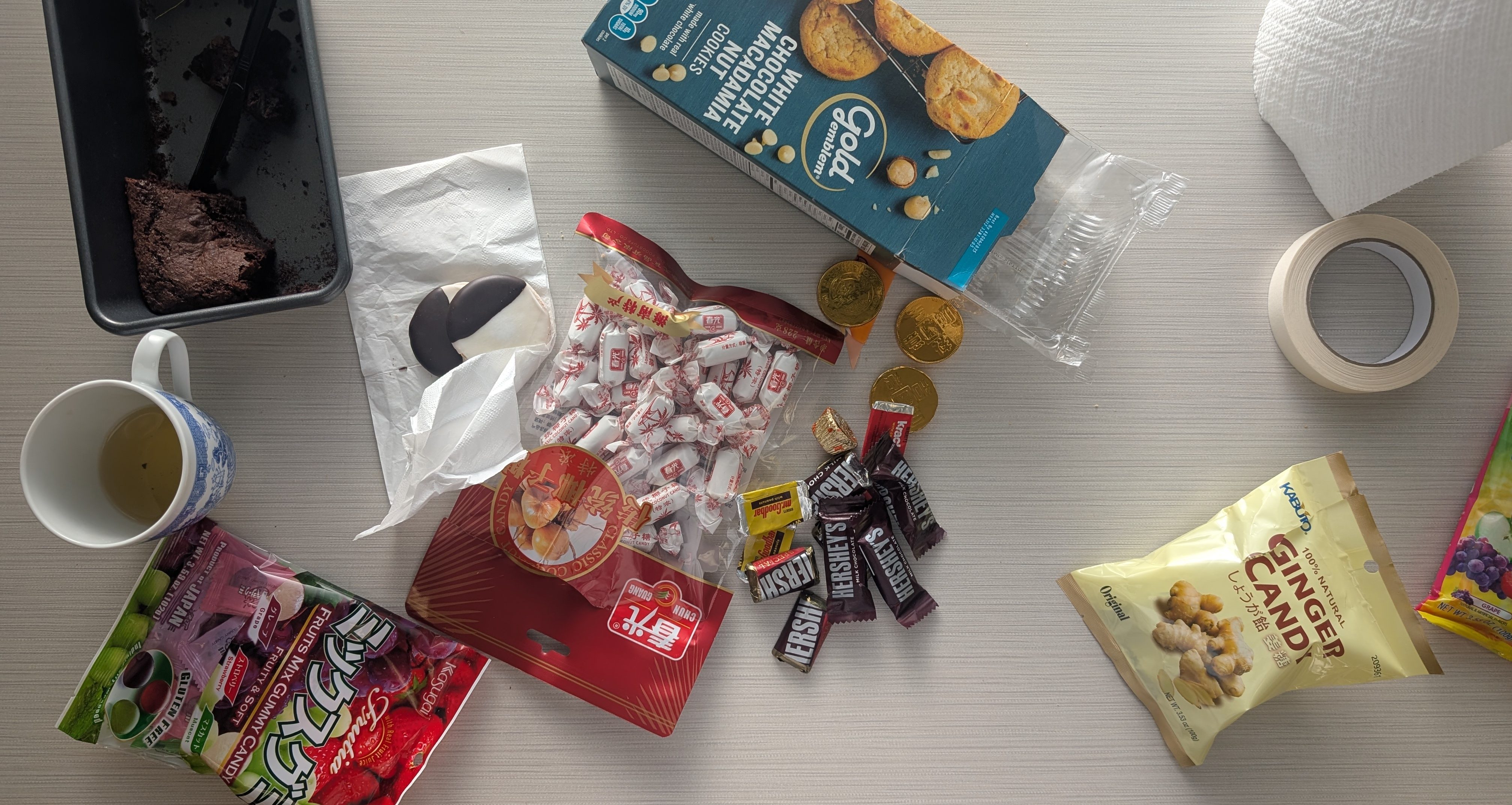
It’s surely easier to keep consuming what I have habitually been doing and what I was promised before arriving and upon entering the infrastructure of institutionalized diversity. Yet now that it’s shaking badly, building critical consciousness by examining what I consumed individually and what I justified collectively is a survival act. Or, that survival act could be, what Ahmed (2006) suggests, a disorientation from the orientated routes. For oriental(ist) food, disorientation from it could mean getting indigestion over time, throwing it up, or even analyzing the origins and manufacturing processes of such ingredients.
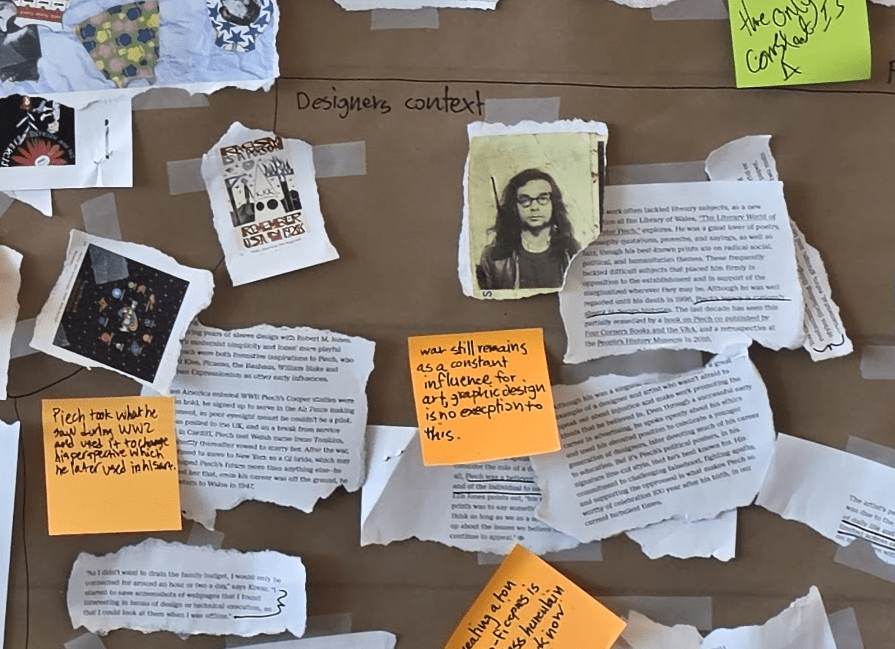
Acknowledgment: At the time of writing this post, I had just finished reading Sara Ahmed’s Queer Phenomenology: Orientations, Objects, Others (2006). I wrote this post in reflection on the photo below that Dr. Frederick van Amstel shared with me in summer 2024, when I first learned about the contradictions of institutional diversity.

 Hien Phan