Abstract:
Design education in the United States has been a popular destination for designers worldwide, especially those from the Global South seeking Western design knowledge and career advancement. However, we frequently encounter challenges, fears, and self-doubt as we adapt to new academic, cultural, and legal systems. This reveals hidden contradictions in the experiences of Global South designers within the United States institutions. These existential crises are not merely individual struggles but collective challenges arising from living within a multicultural education system in the leading economic center of the world. Despite our significant presence, the voices of Global South designers, including the author of this case study, remain underrepresented in these institutional contexts.
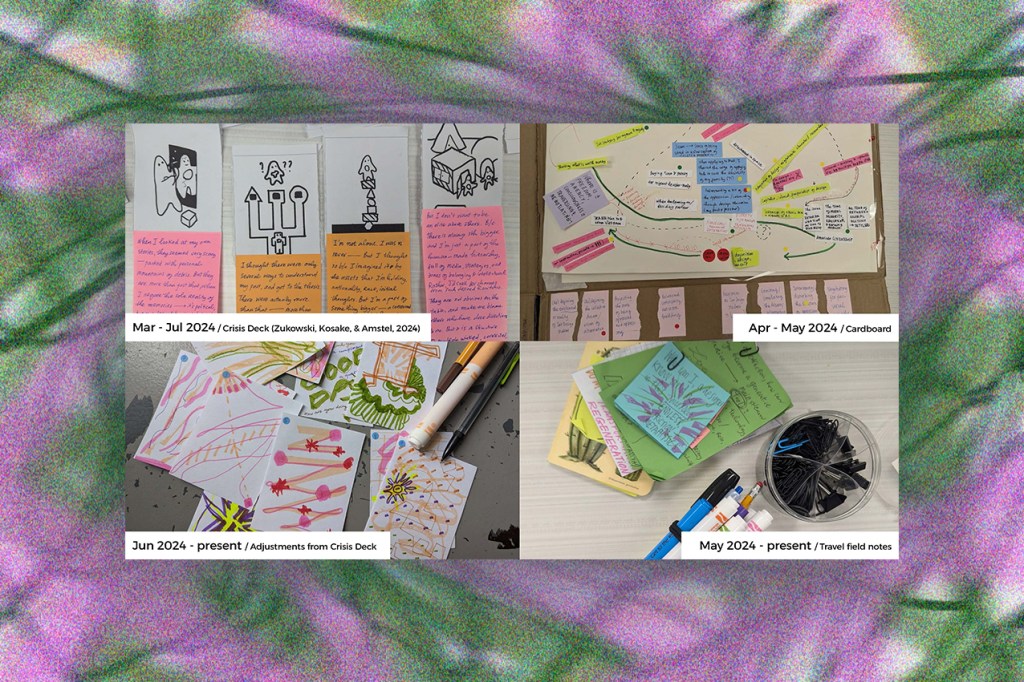
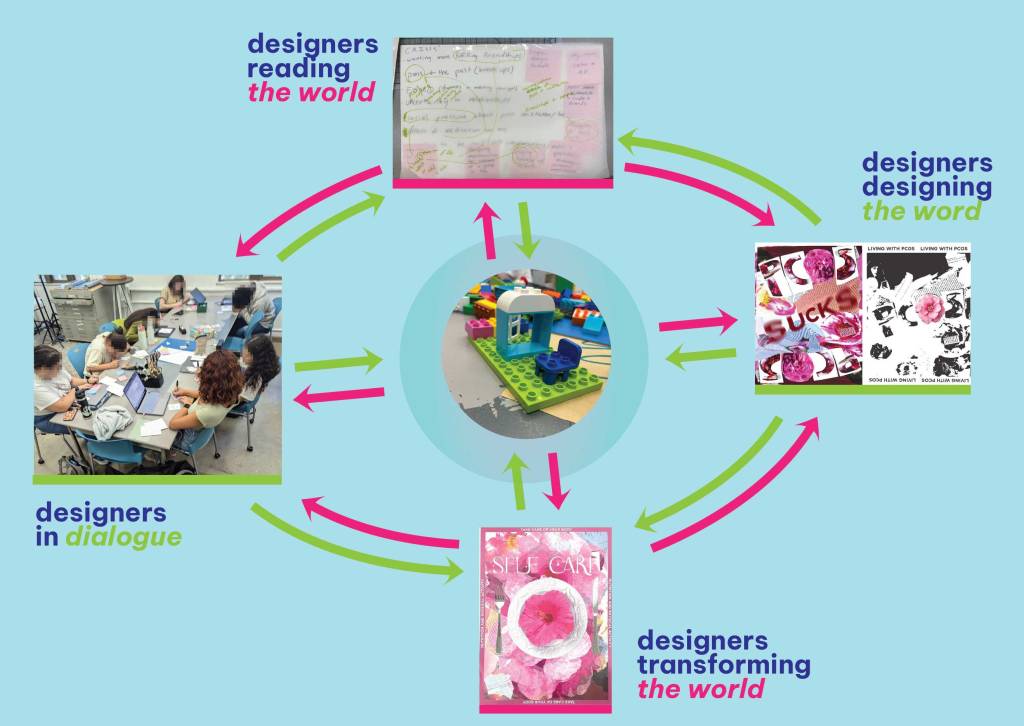
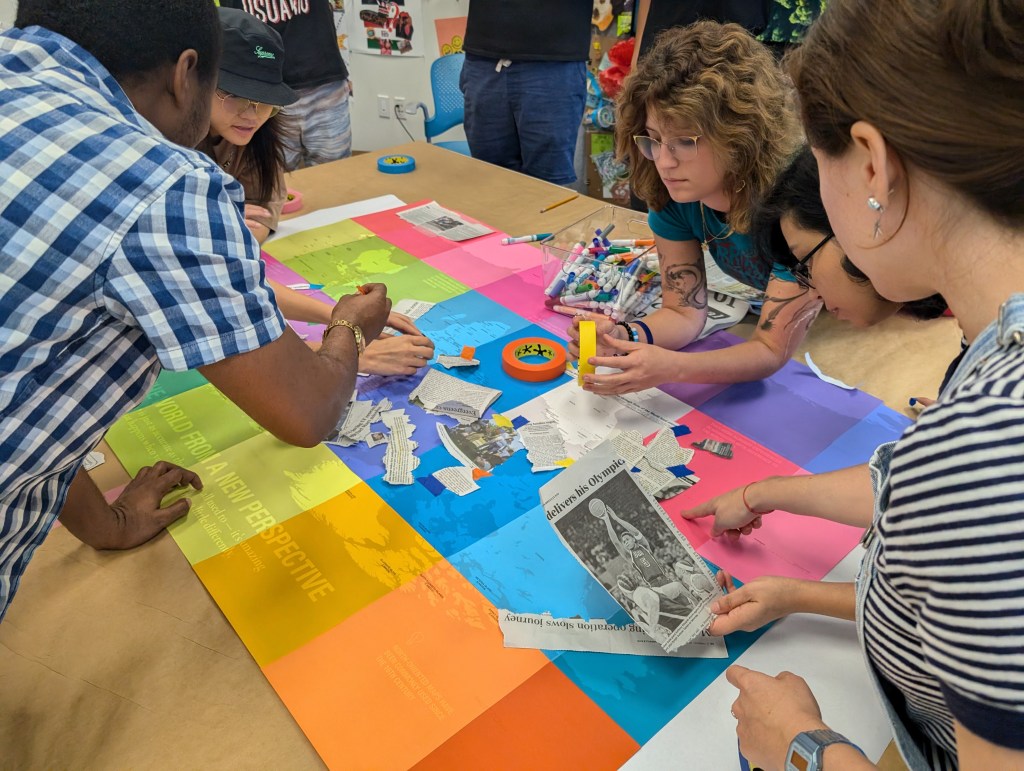
Through autoethnographic design methods, this graduate case study positioned Global South designers as culturally embedded selves at the intersection of multiple marginalized identities, including an immigrant, student, and instructor. We, Global South designers in the Graduate program in Design and Visual Communications (MxD) at the University of Florida used low-tech materials (i.e. Lego Serious Play) to unpack our lived experiences at this intersection. We tracked the hindered aspects of our professional trajectories that align with U.S. citizen designers. Through autoethnographic designs, we revealed shared experiences of othering, inferiorization, and marginalization as designers of diverse cultural identities situated in the political climate attacking DEI in higher education in Florida.
This case study aimed to share findings from these autoethnographic design methods, offering insights into the experiences of designers at the margins. This exploratory project embraced the complexities and contradictions within these narratives. By fostering collective critical consciousness and embracing these experiences, we sought to open up a question of diversity in design education on positionality, situated political contexts, and critical actions in solidarity to challenge the shared marginal positions.
Keywords: autoethnography, DEI, design education, immigration, diversity
Acknowledgement: I would like to thank Dr. Frederick van Amstel, Professor Maria Rogal, and MxD graduate peers, especially Brooke Hull, Cassandra “Cassie” Urbenz, Santana Nyanje, and Flory Sanabria during the making process of this presentation.
Citation: Phan, H. (2024) Living at the Marginal Positions: Autoethnography of Global South Designers in the U.S. Design Education, in Krcmarik, K. (eds), AIGA Design Educators Community, 2024 AIGA National Conference: Margins, 11 – 12 October 2024, Virtual.

 Hiền Phan