Abstract:
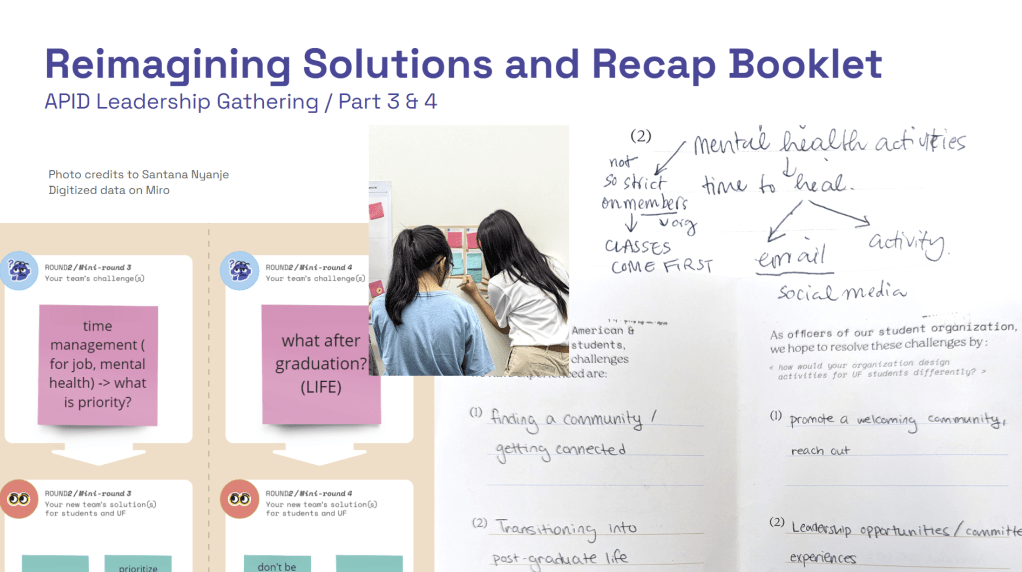
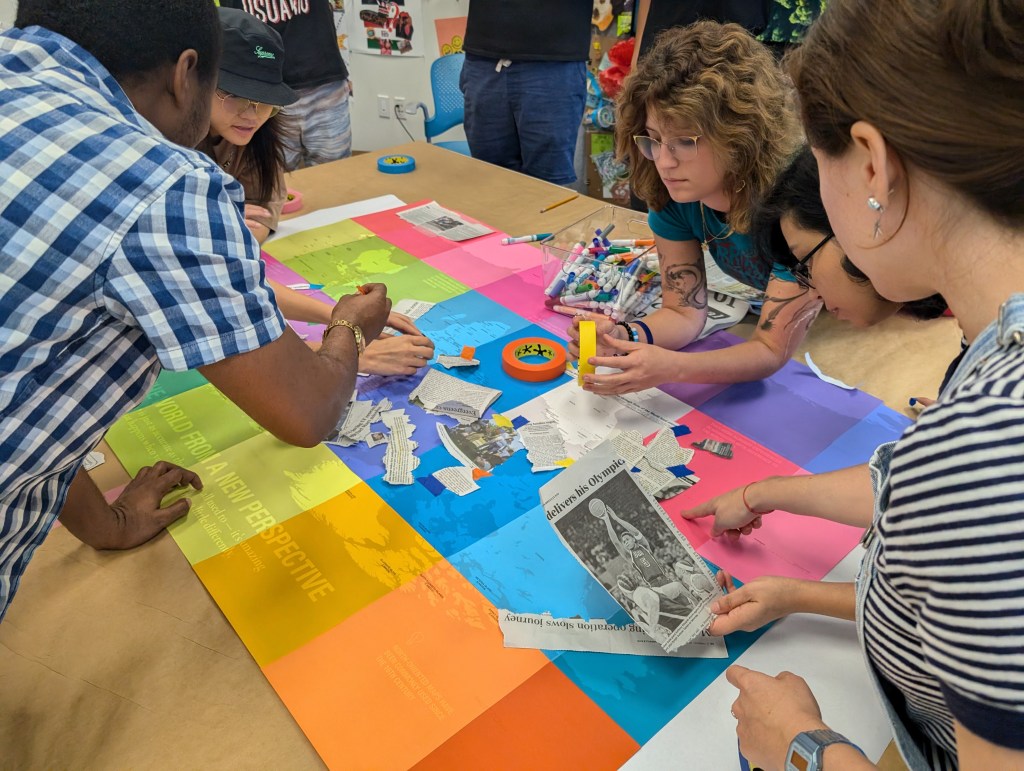
This graduate case study examines the application of visual participatory design methods in collaboration with local education organizations. The study focuses on creating participatory spaces and utilizing input tools to understand students’ identities and address their needs through space and student services. Two distinct audiences were engaged: Project YouthBuild, comprising local high school students under the AmeriCorps program, with the objective of designing a mural for their basketball court, and representatives of college student organizations of Asian American and Pacific Islanders, aiming to identify specific academic needs and design effective solutions.
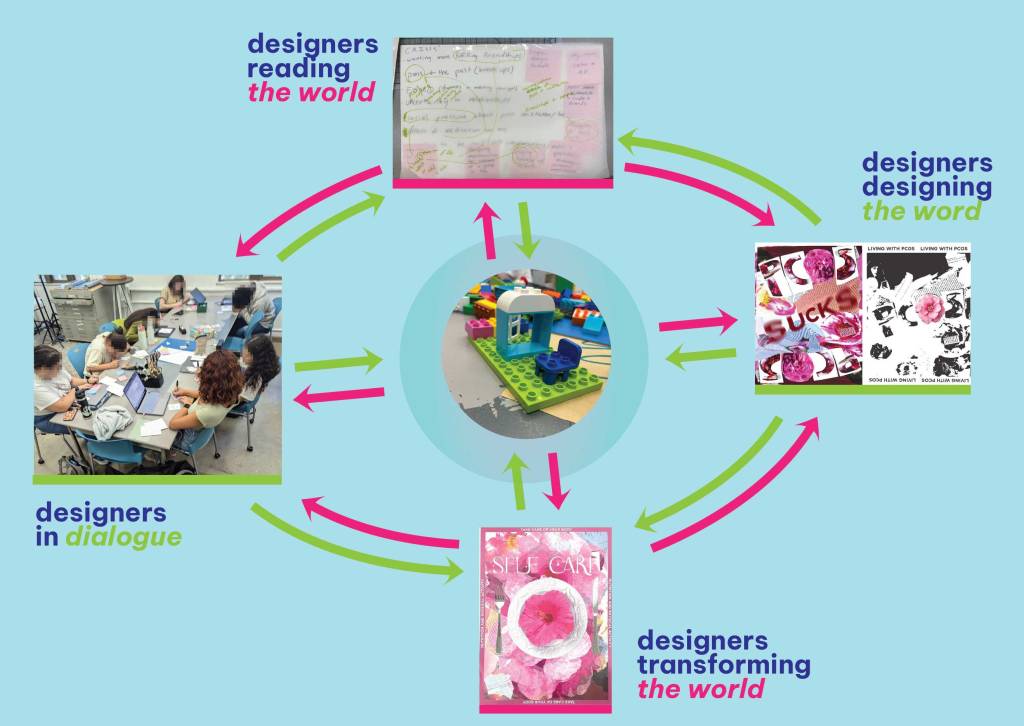
The study employs participatory design as a data-driven activity, utilizing focus groups as a means to listen effectively to the community. Visual materials are employed within the participatory space and tools to encourage dialogue among participants, resulting in community-driven reflections. Importantly, the use of visual participatory materials provides opportunities for each individual participant to share their opinions in multiple ways that they feel comfortable and safe.
Through collaborative efforts with stakeholders from each audience, we, as young social designers, have gained valuable insights into the application of visual participatory design methods in educational contexts. Three key lessons have emerged from this exploration:
- Visual participatory tools support critical thinking and creative expression at the individual level while fostering collective engagement and collaboration possibilities.
- Effective spatial designs allow participants the flexibility to reflect as individuals or as a collective with shared goals and memories.
- Participatory design entails dynamic possibilities for human interactions, necessitating well-designed materials to facilitate the process of co-being and co-designing.
Looking to the future, this study envisions the development of a toolkit for each stakeholder group, offering guidance on the diverse possibilities of design materials that can be utilized in creating participatory spaces and input tools. This toolkit aims to support an ongoing process of listening to the community and designing better services tailored to their needs. In conclusion, this graduate case study underscores the significance of visual participatory design methods in collaborating with local education organizations. By leveraging visual materials, fostering dialogue, and prioritizing individual comfort and safety, the study promotes inclusivity, empowers student voices, and enhances the co-designing of educational experiences. The envisioned toolkit further extends the potential of this method, providing stakeholders with resources to continue the ongoing process of listening to the community and designing services that better serve their needs.
Keywords: visual participatory design, student engagement, community, co-design, toolkit, inclusive education.
Acknowledgements: I thank Dr. Dori Griffin for supporting and guiding this collaboration with Flora Wang and the APID student community at the University of Florida. I also thank Victoria Gerson, Isabella Arrazola, and Professor Maria Rogal who review this conference submission.
Citation: Phan, H. (2023) Visual Participatory Design Activities: Empowering Student Voices for Inclusive Education, in Zahabi, L., Tyree, N., Childers, P., & Lima, V. (eds), AIGA Design Educators Community, 2023 AIGA National Conference: The View From Here, 12 – 13 October 2023, The New School, New York city, NY, USA.

 Hiền Phan