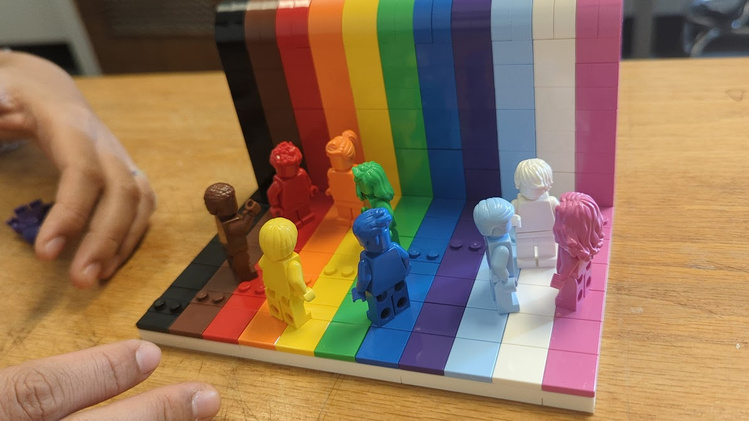
When I grew up in Việt Nam, diversity is the noun often used for culture and nature. Diversify, however, is the verb describing institutional/organizational efforts in increasing diversity in certain fields to co-opt to the power dynamics of such institutions and organizations. Diversity and diversification are used to describe the enrichment of the institution, from certain natural and human resources. Trained as a graphic designer in the campus towns in United States, I learned to describe diversity through a wide range of color and graphic use. The divers- vocabularies in Việt Nam are then visualized with modern uses of visual materials in the United States. In daily lives, diversity can be seen in cultural materials. Diversity of colors implied diversity of cultures, each of culture implied unique geography, aesthetics, or simply the kinds of information. Through industrial materials, diversity is visualized as a contradiction by itself: many of ones or a quantity of qualitative differences. Each of such differences has to be drastically different enough from the other, to be included in certain category of various things.
This visual demonstration implies that the cultures mentioned are categorized by the dominant other. In the cultural production context, this dominant other is the product manufacturer who has industrial resources for designing, producing, marketing, and selling. From the photos that I was taking, this manufacturer is sometimes often mentioned at the back of the product package, delivered into the context of everyday life (grocery stores, airport, design studio, etc), and chose by consumers/users’ preferences. The diversity of colors in product packages is vibrant, describing the “versatile” representations of culture to potential cultural consumers or users. By versatile, I understand it to fit in many personal preferences, many styles of usages, or many contexts of uses. In a way, visualized diversity is a communication between the diversity designers and users in the industrial modern contexts, undermining the role of diversity in socio-cultural contexts that design is drawn from.
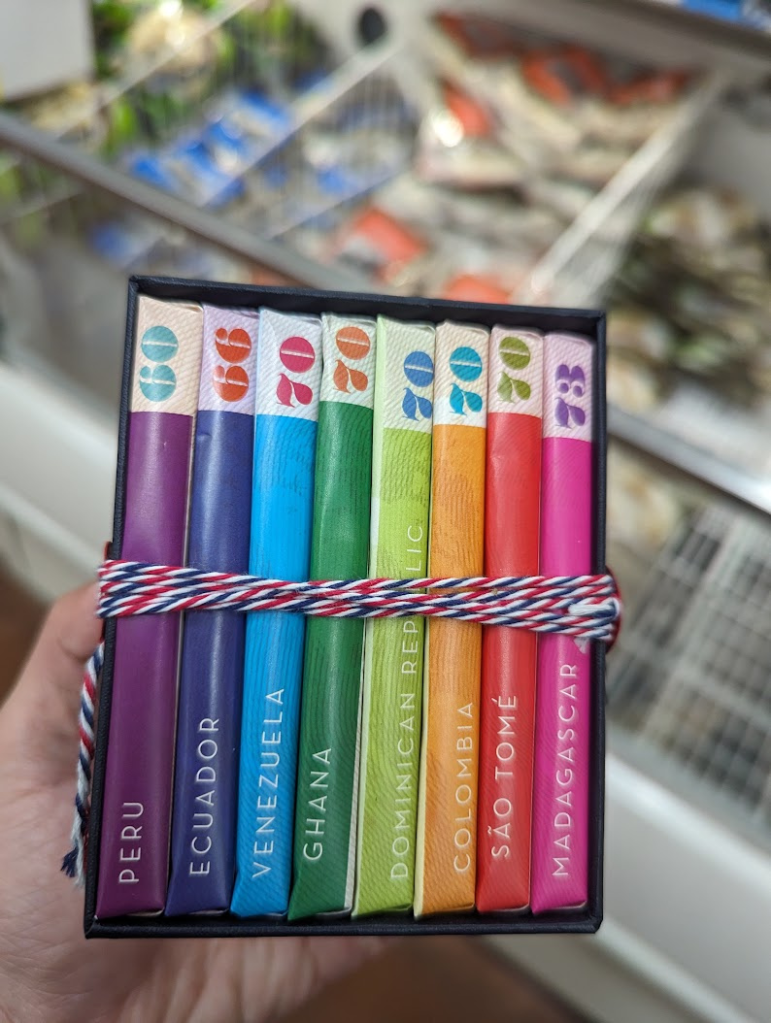

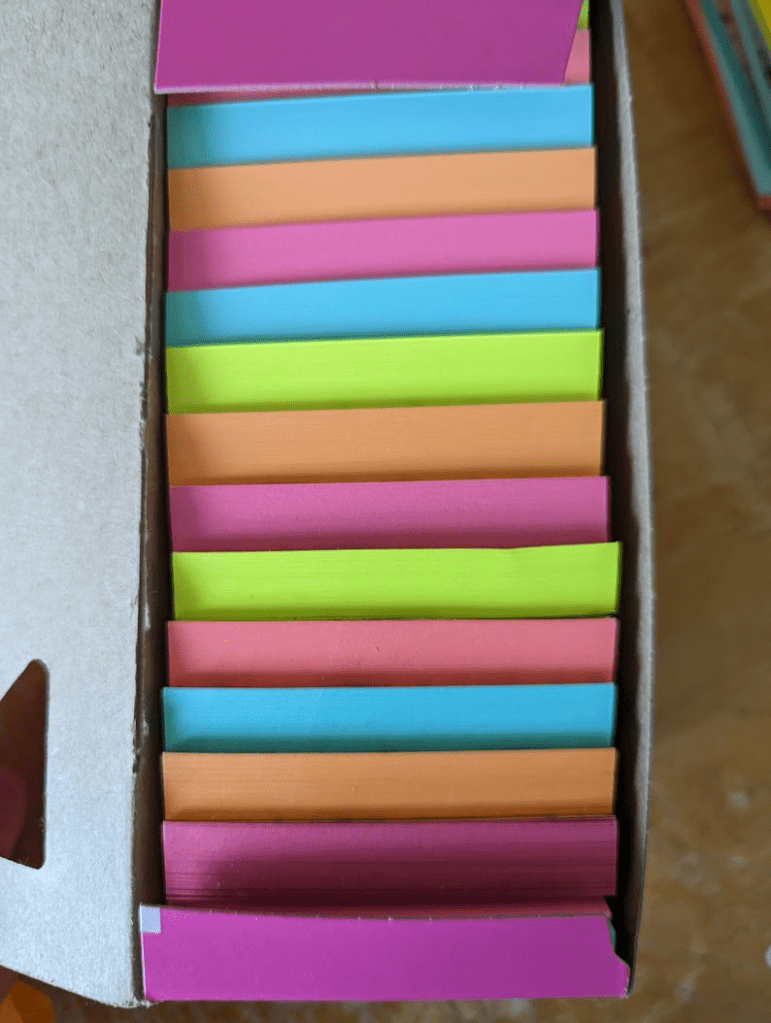
Through industrial material production, diversity is used through vibrant, diverse color palette. Colored materials are used in different social spaces, from the street to the interiors of certain businesses. Diverse color palettes created the abundant materials to capture attentions of cultural users, filling in the space originally without industrial designed materials. These materials are easier to design, install, and celebrate as they serve as decorations of spaces. Visual design materials are much smaller than concrete architecture, which needs to proceed through urban planning policy and demands considerate amount of time and labor to establish. These decorations add liveliness to the modern architecture, implying human efforts in soothing the sharp, concrete design with cultural looks of, still, industrialized materials. Visualized diversity, thus, are designers’ efforts in filling the void of the space with what has been missing in reality or in the visual world.
The diversity of visual materials implies the diversity of culture in specific space. This designed space corresponds to the demands of users who are habitualIzed with the love of travelling the diverse world. In a way, when diversity is designed through visual materials, it reproduces the aesthetics of cultural diversity, implying many worlds in specific design. To be blunter, diversity by design mimics many worlds through material reproductions. The liveliness of many worlds and many cultures are designable through industrialization and, thus, are designed. When cultural diversity is reproduced through design materials, it is also attempted to be used. In a way, the more immersively design materials are reproduced, the more vastly users’ approach and consume. Diversity is designed and used through the correspondence between designers and users with design materials.

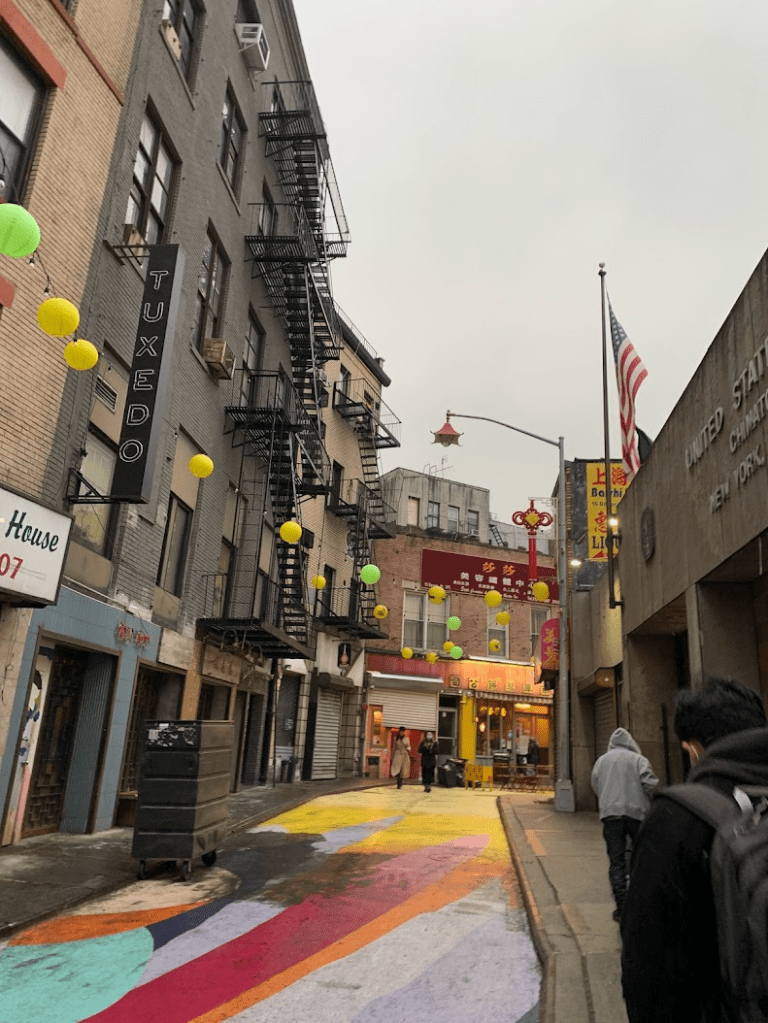

As a user of diversity by design, I observed and admired the aesthetics of these spaces. You can see that through the photos that I have taken in many spaces through the past few years. Through my worldviews as a Global South designer in a Global North space , diversity by design is foreign, attractive, and scarce. The designed diversity is, thus, exoticized and otherized through my lenses as a traveller, a foreigner in this space. I might have forgotten my initial thoughts, feelings, and historical contexts of diversity in this space; but when opening these photos in my camera roll, I see the diversity of travelled spaces vividly. These photos, thus, represent my worldviews but not necessarily these viewed worlds, as how diversity has been designed to fill in the void of space but not necessarily the space itself.
In interactions with diversity by design, I did enjoy it immersively. In hindsight, cultural reproductions through design materials succeed in representing diversity of the worlds through diversity in designed space. The excellence of designed diversity is measured through the satisfaction of users who demand to know the world, get to know the world, and possibly reproduce this designed world through materials that represent diversity by design. Through design materials, diversity is represented through cultural reproductions by designers; diversity is manifest through cultural consumptions by users. As diversity represents the enrichment and excellence of the space that holds such diversity, diversity of travelled spaced, viewed worlds, and accumulated knowledge also represents the excellence of such body. In correspondence to designed space of diversity, users are also designed bodies of diversity. Through design materials, diversity in culture is represented, reproduced, consumed, and embodied.
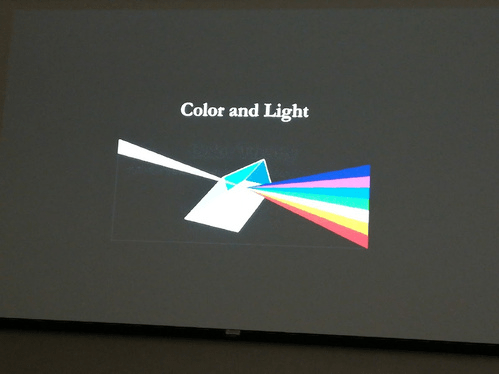

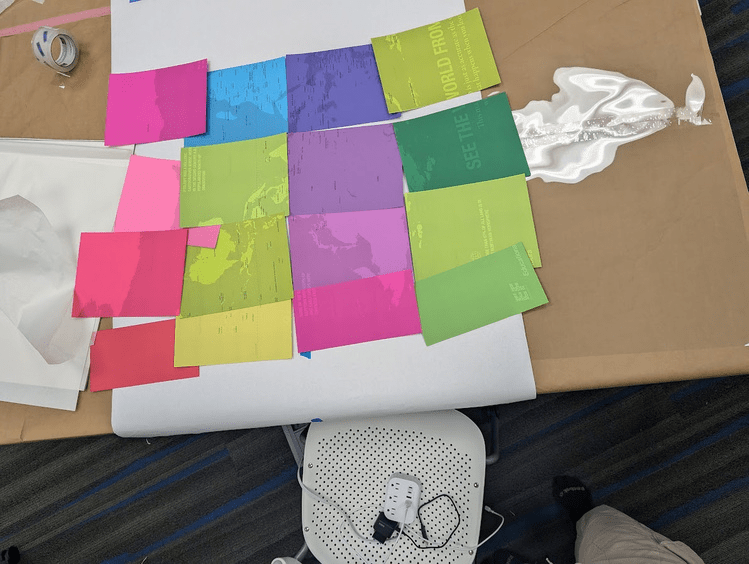
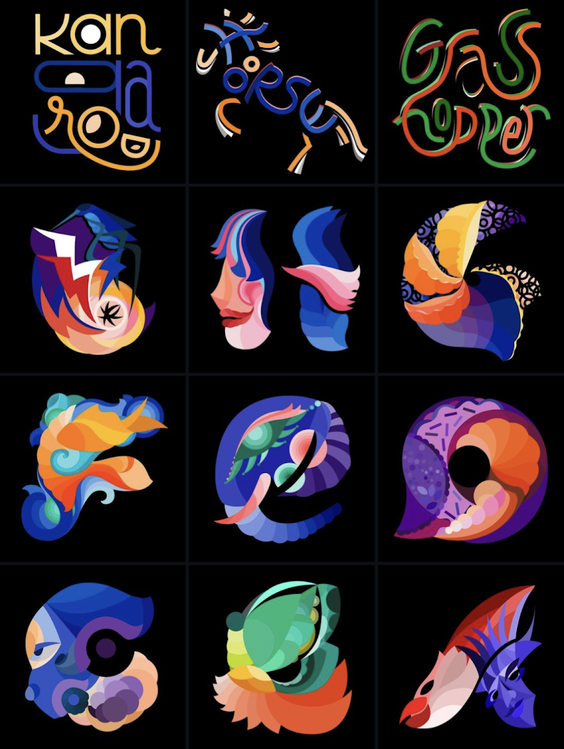

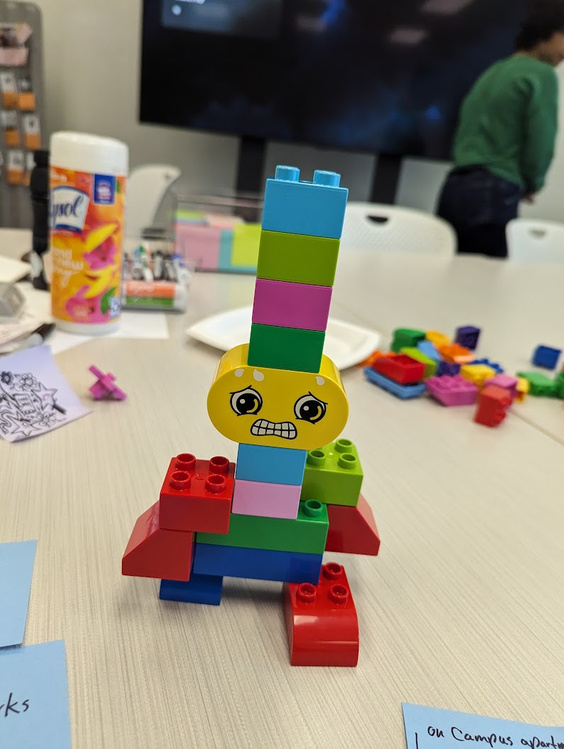

Diversity by design has been manifest in my everyday life as a designer in practice. As I consume the diversity by design, I’m a part of the designed body that also holds the possibilities of reproducing the diversity by design. I learned to practice diversity by design through studying lectures in research and practice in elements and principles in design. The materials that I have used to design are also the space that hold diverse materials itself: the printed with diverse inks, the Lego Serious Play toolkit with diverse elements, the paper block with diverse colors, or the Adobe program that allows diverse uses of diverse tools. The design materials are the design space, holding many possibilities for designers to transfer their embedded knowledge of diversity into diverse cultural reproductions.
However, there is a contradiction of diversity by design: visualized diversity is simply a manifestation of modernity and industrialization in design. If understanding design as an act of creating with intention, then the understanding of diversity by design only to visualizable design materials already de-diversify design. Diversity by design is often referred to as decorations of design space, which is already the limits of design. Along with the enforcement of industrialization, the use of high-tech materials in design process disregard low-tech materials and bodies as design technologies in the design process. Now that institution is practiced under neoliberal multiculturalism, diversity is reduced to many countries with geopolitical relations to the nation that holds such institution (ie. the MxD graduate design studio in the University of Florida with 77% of students from the Global South). These limitations exist probably because of the limited understanding of diversity and design as co-opted forces for institutional excellence. The pressure of institutional performance, thus, is manifest through diversity and design, reducing them to aesthetics, functionality, and professionality by modern industrialization.
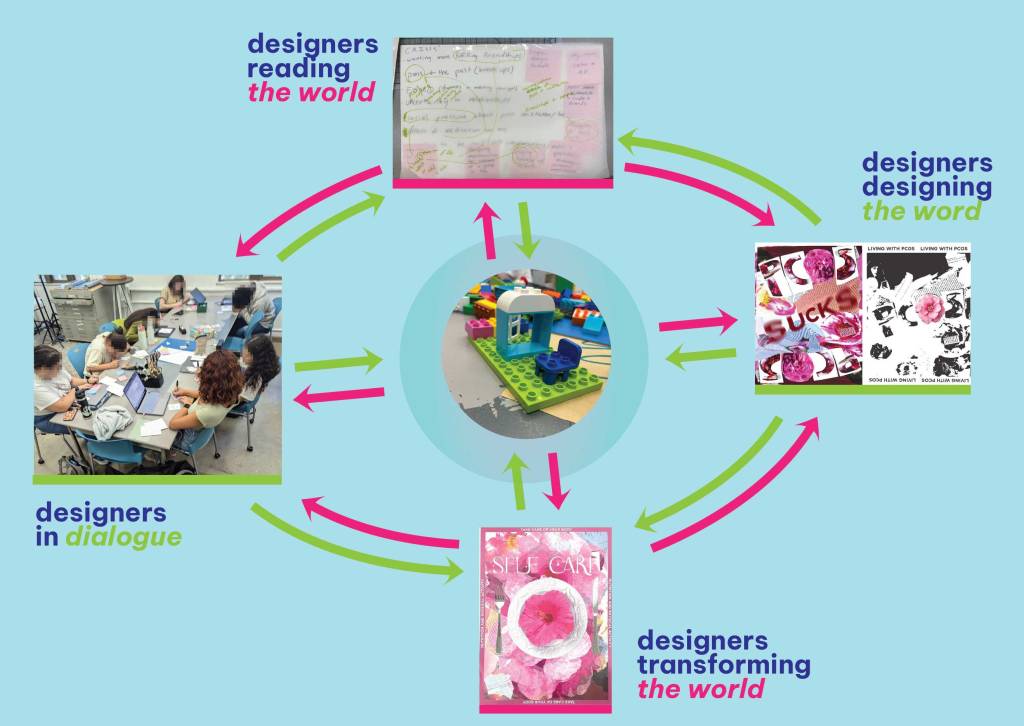
In response to institutional enforcement of diversity by design, there have been collective attempts to delimit this understanding from the graduate design studio MxD:

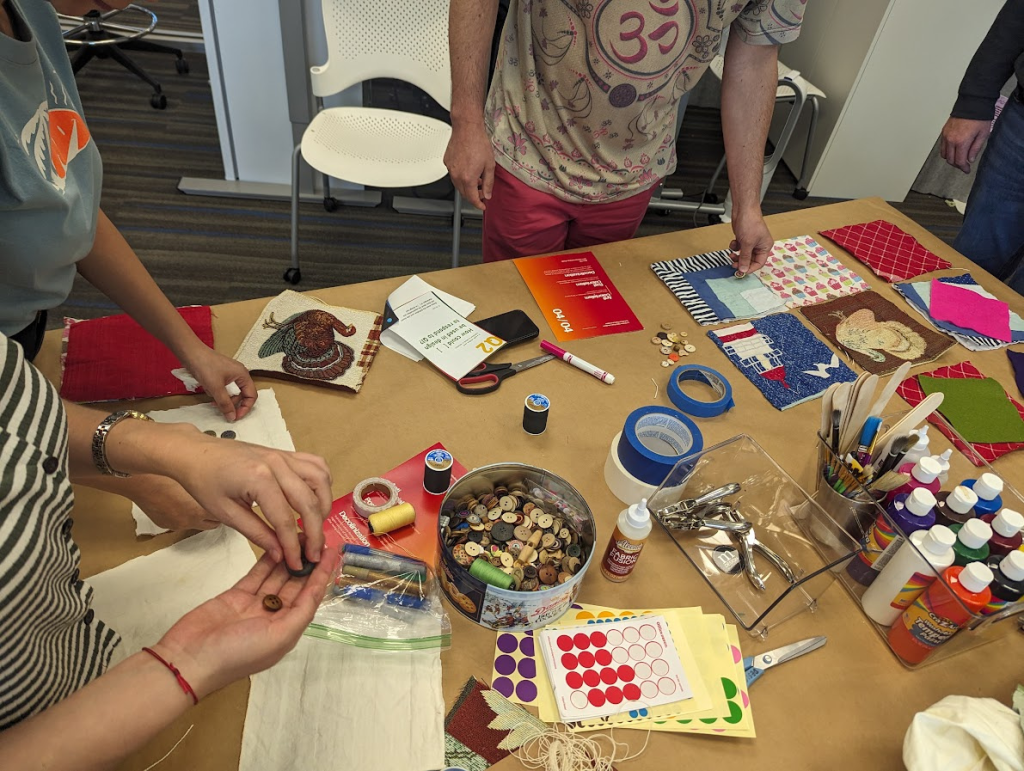


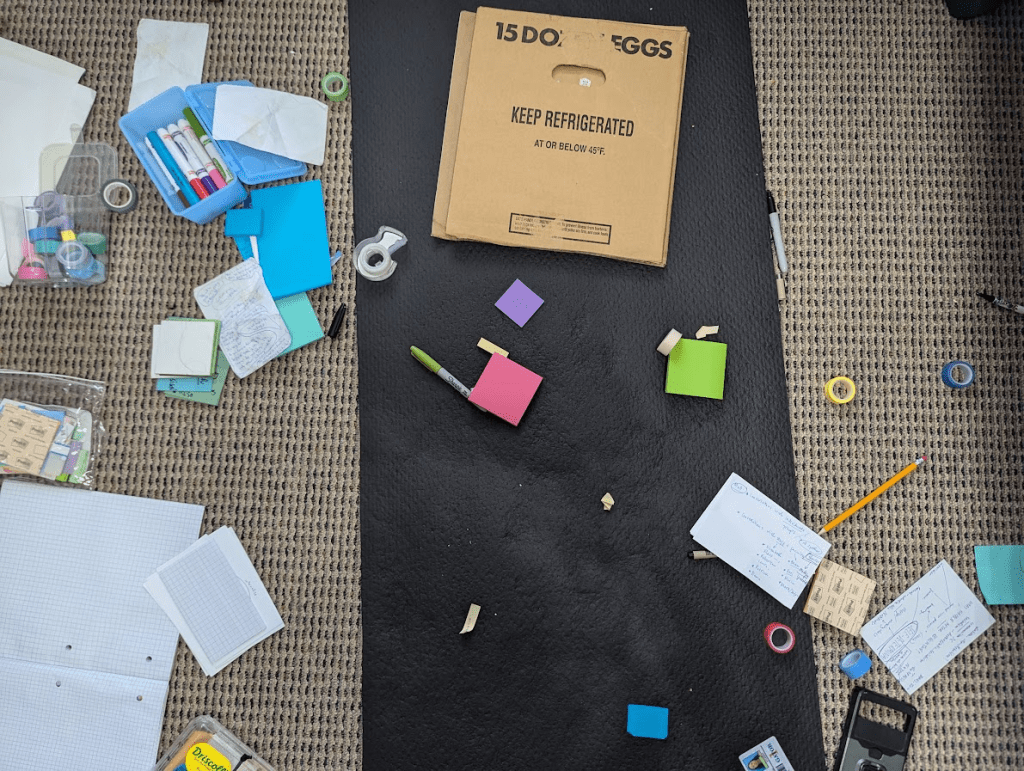
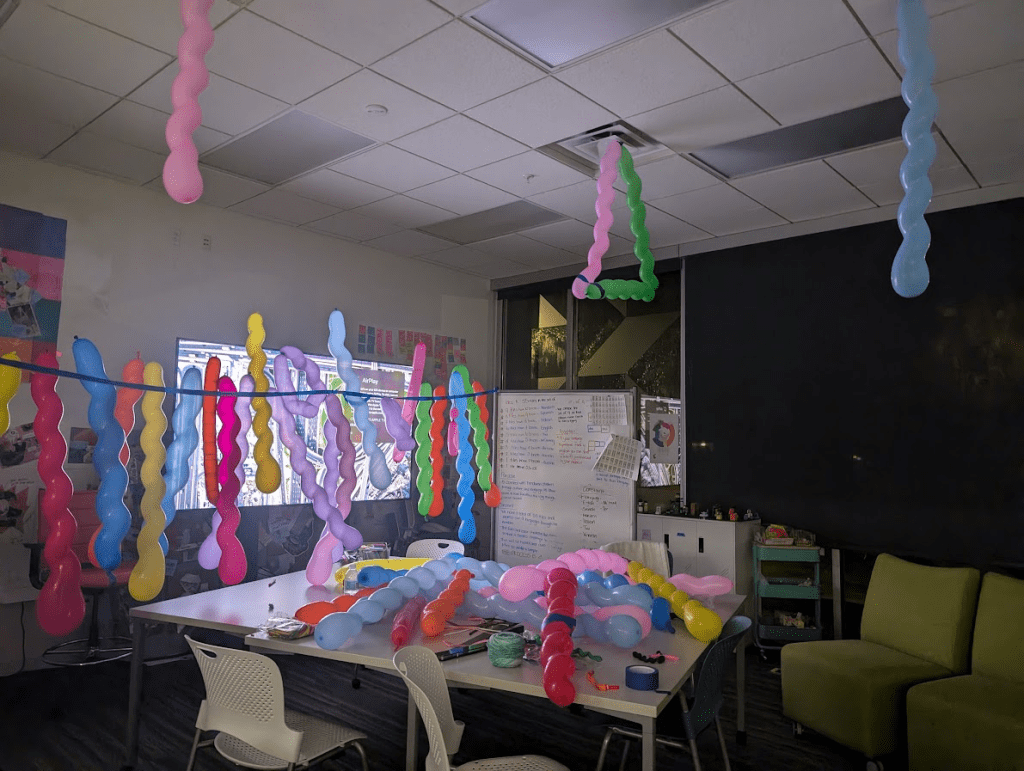
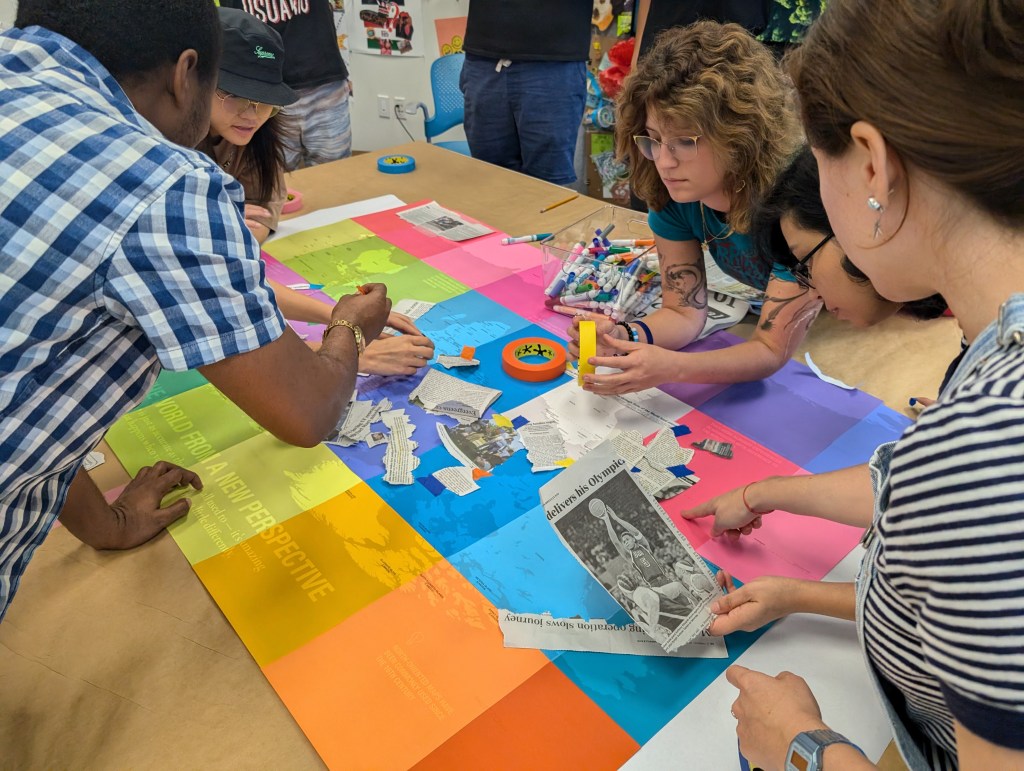
During this process, we have been researching design through ethnographic lenses, through which design is observed and documented through observational ethnographic practices within and outside of the institutional space. In response to diversity by institutional design, diversity has been designed by community members as the existential means: local business that is marginalized by the institutional modern space, student body vocalizes their personalities on the institutional infrastructure with their own design materials, and designers explore alternative ways of researching and practicing design besides the standards of modern industrializations. We expanded the definitions and practice of design, in response to the immersively designed diversity by institutions. Diversity by non-institutional design can be understood as resistance towards institution or, simply, the existence trajectories of non-institutional design bodies. When diversity by institutional design is no longer representative of institutional design bodies, these bodies gradually explore own ways in designing for themselves. When diversity is co-opted by institution, non-institutional collectives observe their own lives and sprout designs as existential wayfinding, even that means diverging from institutional dominant narratives. The verb of diversity could be diversifying or diverging, couldn’t it?
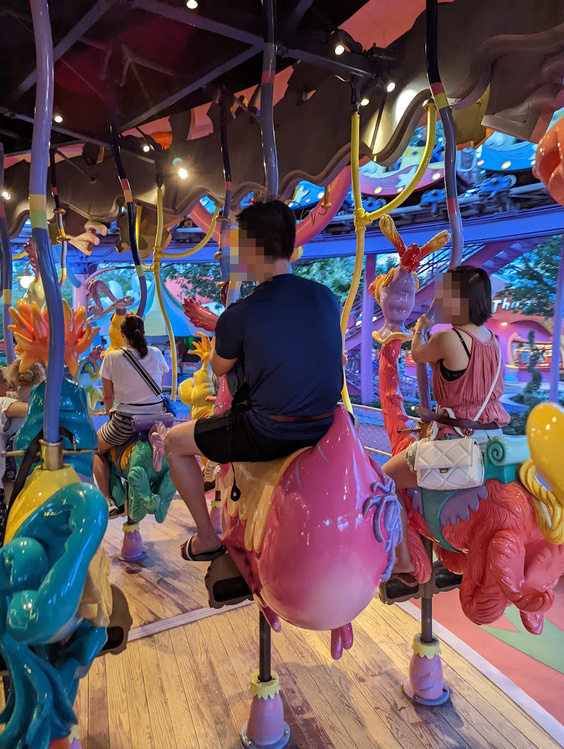


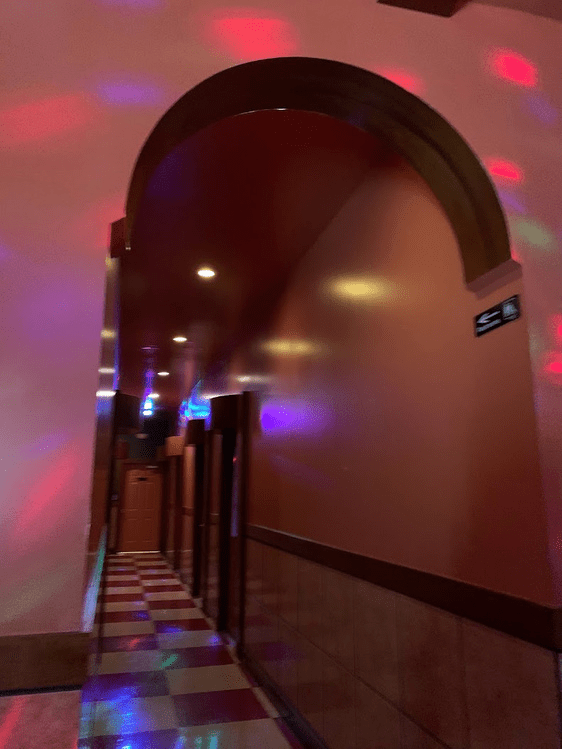
While institutional diversity is designed by institutional designers, non-institutional diversity is designed by community members, independent artists, small businesses, and big corporations. Design materials are beyond the physical ones – they are widely explored and designed. The lighting systems and playful materials are used to showcase the diversity in design beyond the neatly categorized diversity by institutional design. It shows the creativity of non-institutional bodies in their own wayfinding, but could be just another manifestation of institutional excellences. While diverging through design shows unlimited possibilities of design by non-institutional bodies, this act risks not gaining achievements or being included by institutions which remain dominant narratives. Diversifying through design, although embodying these narratives, ensures design bodies with institutional excellences and, thus, remains a popular mimicry through industrial materials.
After this post, I will be examining the alternative non-institutional possibilities of diversity in design.
Acknowledgement: This visual design analysis is extended from an interactive conversation with Dr. Frederick van Amstel in summer 2024, engaging Lego Serious Play in reading institutional diversity.

 Hiền Phan