My third year in practicing ethnographic observation has been expanded with new knowledge from what I see and travel. Thus, to document these new insights, I am crafting/finding a system for keeping the observational notebooks, pens, visual toolkits, books, and so on. However, this process has been quite challenging because the material list often expands when going on field trips in reality, including personal belongings: hat, medicated oils, snacks, phone charger, key holders, medications, and sometimes feminine products. More materials are added when I am not sure if the ethnographic observation might need them, so the “hoarding” phenomenon often takes place to prepare for the unpreparedness in the field trips.
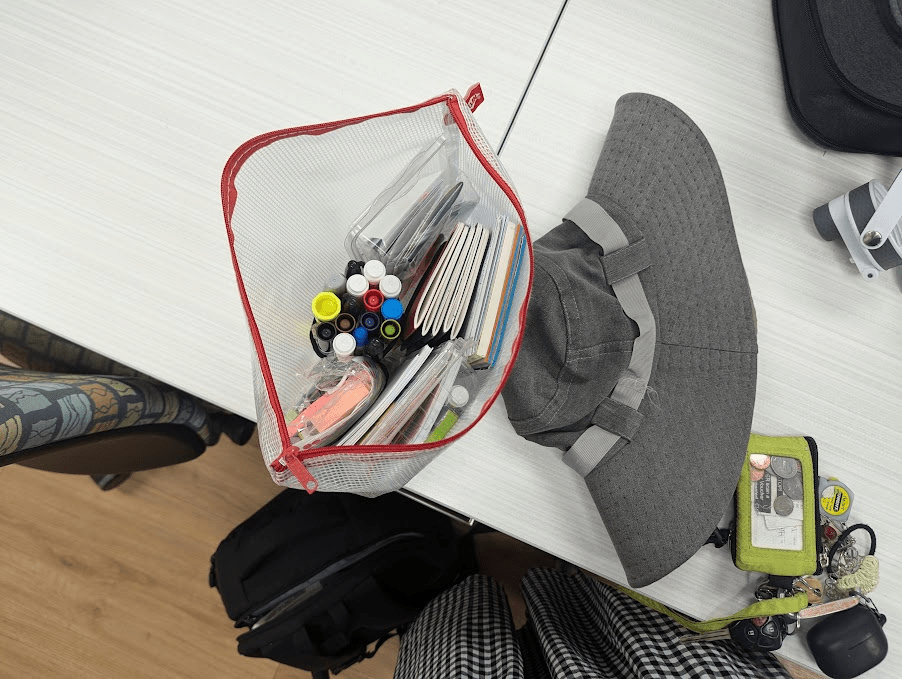

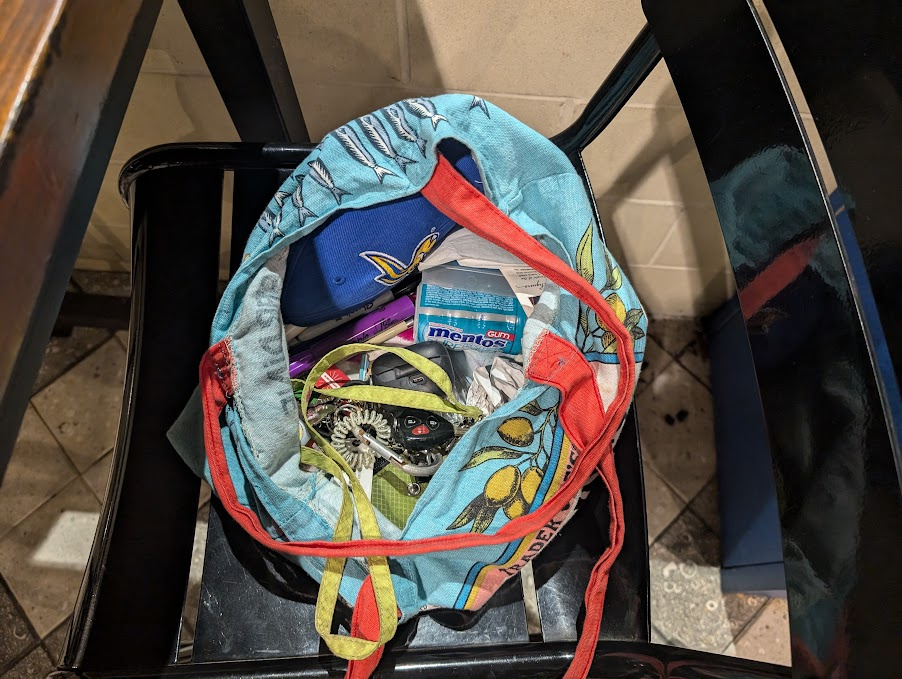
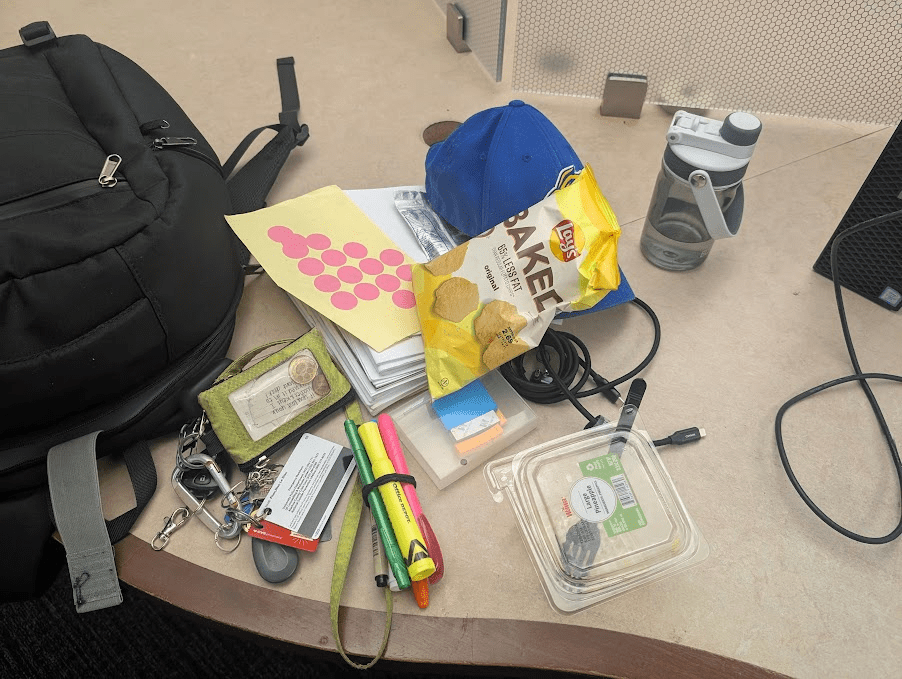
Now, I have limited the required materials to a fully charged phone, a dotted notebook, a double-sided sharpie, a highlighter, a water bottle, and keychains all in a tote bag. This toolkit solidification and flexibility result from months of experimenting for field trips. As my design research object is institutional diversity, my field areas are within, on the margin, and the outskirts of the campus areas, which is pretty much my normal student life. Observation toolkits need to allow my observation in this student life, while minimizing the institutionality/professionality in this practice. Determining what to observe means attempts to reduce the complexity of the worlds and mold it within the institutional restrictions. Through my MFA thesis, this mold is what the ethnographic observation tries to delimit. Plus, minimal preparedness for what to observe allows more room for capturing the world and minimizing my ego as an elite, an institutional embodiment.
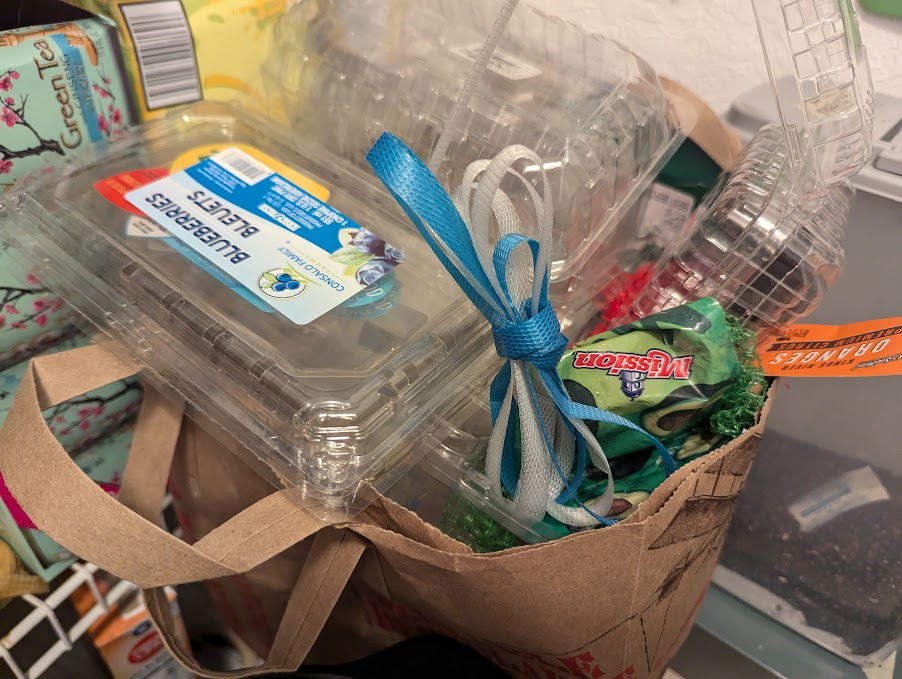

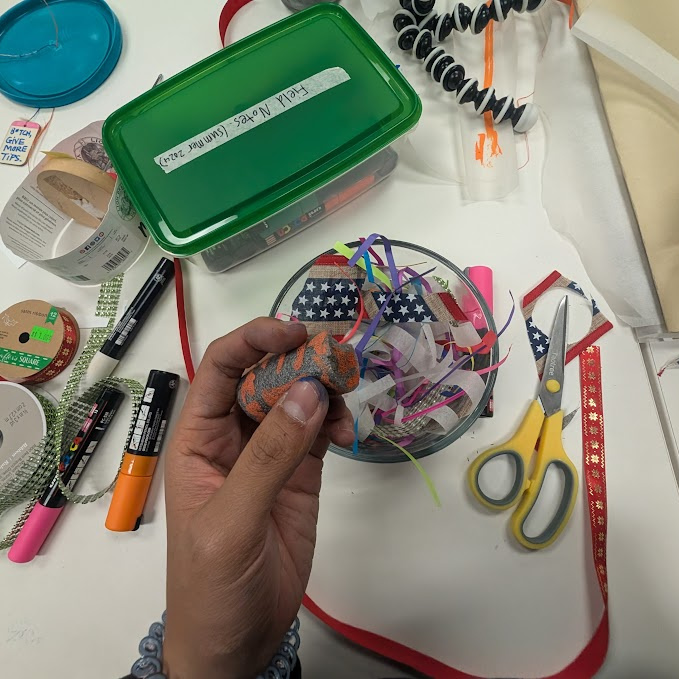
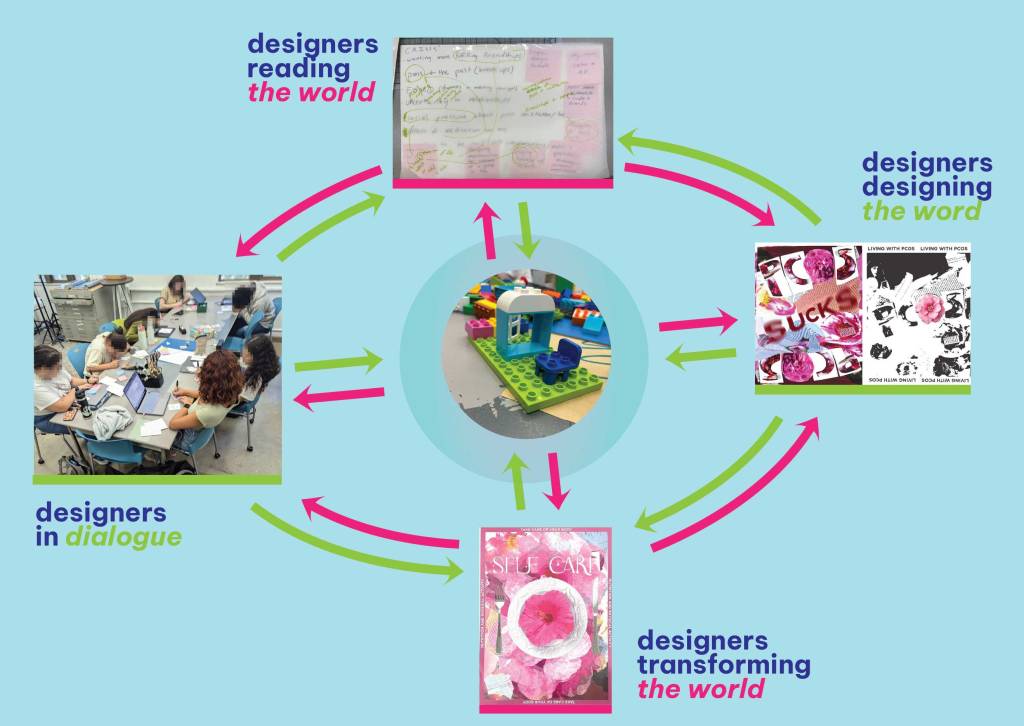
After I have finished field trips, I often reflect on collected data from the visual diaries and photographs. Ethnographic observations provide empirical foundations and theoretical links to literature reviews. The art and design practice allowed me to engage these as invisible materials along with low-tech materials as visible materials for speculative design and ideations for co-design experiments. My design research has linked closely to methodologies in design anthropology, an ongoing transition between observation, reflection, literature review, visual design, and data analysis. As more steps are practiced, more materials are incorporated and produced, either individually or collectively with design colleagues and professors.
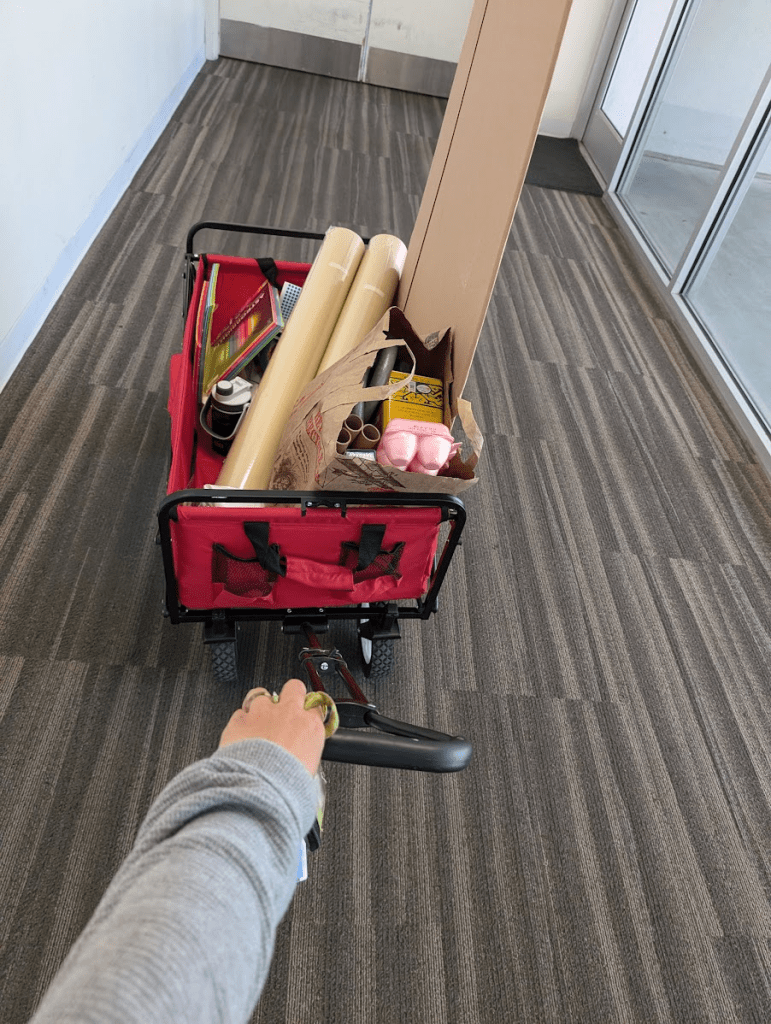
The wagon cart that I have persistently borrowed from Michael Christopher, who besides graduate professors and colleagues have greatly supported the MFA thesis with design materials. Besides, local shops in the campus town such as Repurpose Project have been the common places that discover and repurpose materials.
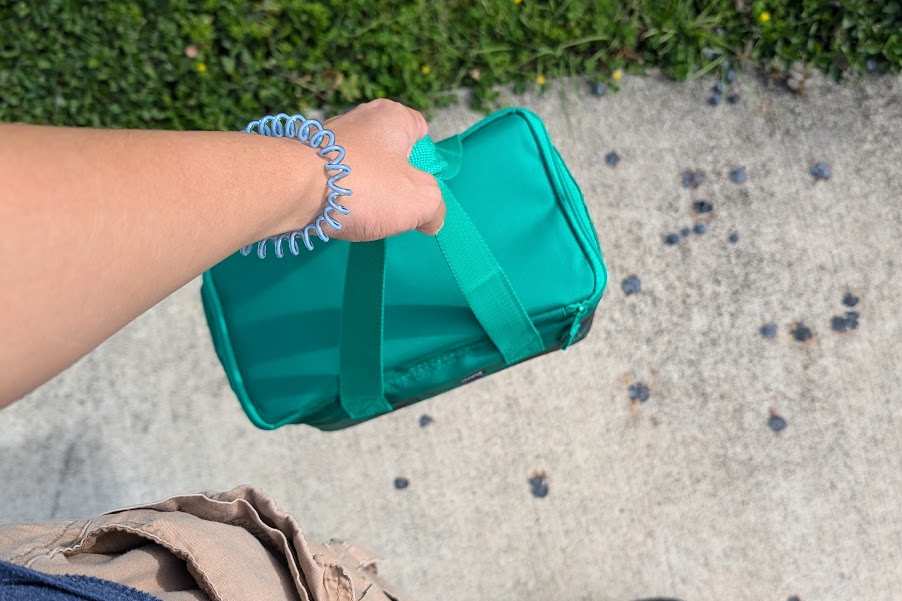
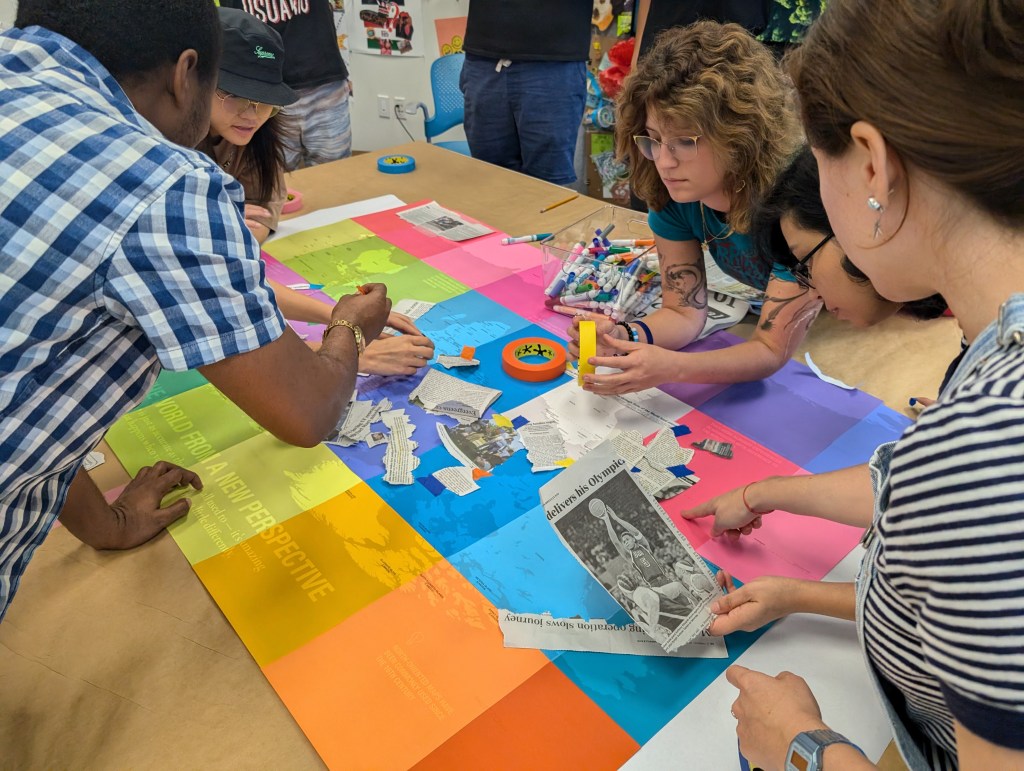
I have tried several holders to keep the massive materials for ethnographic observations, as little as the Trader Joe’s lunch bag to the storage movable cart to move from one institutional building to another. The challenge here is the growing materials during research: more books to read, more art and craft tools to experiment with, and various ways to connect one’s worldviews to others through illustrative materials and displays. While low-tech materials are accessible in documentation and visual design, it also means producing more physical materials that ask for more space to store and travel. In the institutional space, common materials and space are shared to promote productivity and inclusivity in professional collaboration. If seeing each design graduate student as a citizen in the institutional space – our graduate studio, design research is the assets of each citizen who lives within the social infrastructure. How to grow as a responsible citizen in a shared society, as a design researcher in institutional diversity and low-tech materials, remains a challenging question.
This challenge poses a question on design services and urban spaces in relation to institutional diversity:
How can institutional spaces, resources, and services allow room for diverse beings, diverse ways of thinking and making, as well as diverse successes? In response to the needed changes in the institution, what can citizens do collectively and individually?
Individually, I am crafting the system of working to transition between low-tech materials and high-tech design platforms. Besides strategic organization of digital and physical databases, I’m also seeking opportunities that “my professional assets” could be joined and shared by colleagues, like how I have been supported by the institution. Being conscious of the potential dominant role from massive usages of space is important, but I observe that inviting others into this space could empower us all and encourage each of the citizens to use, recycle, and build the institution collectively.
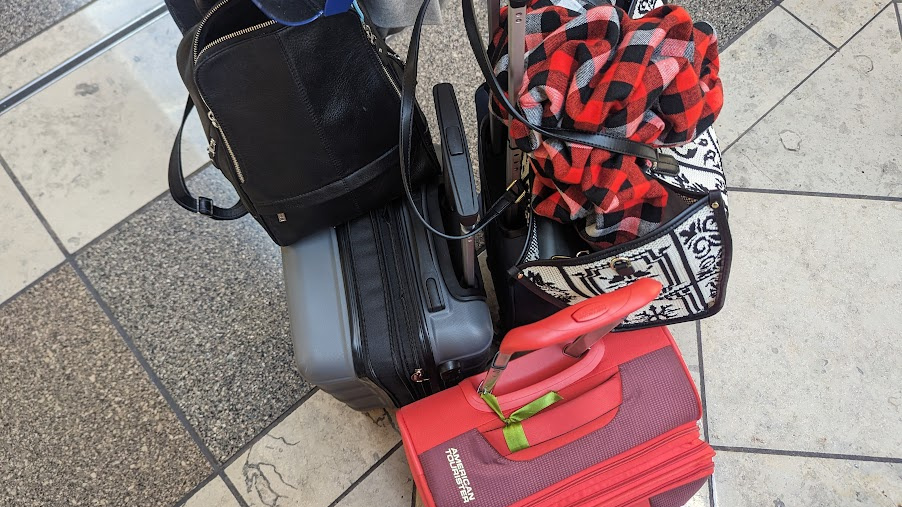
Storing and moving data in professional life has linked closely to personal sides of design researchers. In our graduate studio where 77% of students are immigrants from the Global South, we have been actively reflecting on positionality in the institutional space. Although education is a lifetime journey, our attendance and professional development in Global North institutions are mostly several years. Our academic trajectories are defined by imperial policies on immigration and education, although individual efforts do highly impact this trajectory. Travel to us means accessibility and recognition in education and institution, where we can learn and practice new things in this world. Travel as international students in the U.S., thus, closely links to epistemology, social class, and U.S.-centered geopolitics although this link is often invisible and far-fetched in daily contexts.
This invisible link impacts decision-making in daily life, regardless – majors, professional careers, networking, housing, recreation, personal relationships, and so on. Institutional diversity is embedded in many aspects of life in the diverse student body. What materials to keep and produce links closely to how we could be perceived and welcomed by the institution of education and citizenship.

 Hiền Phan